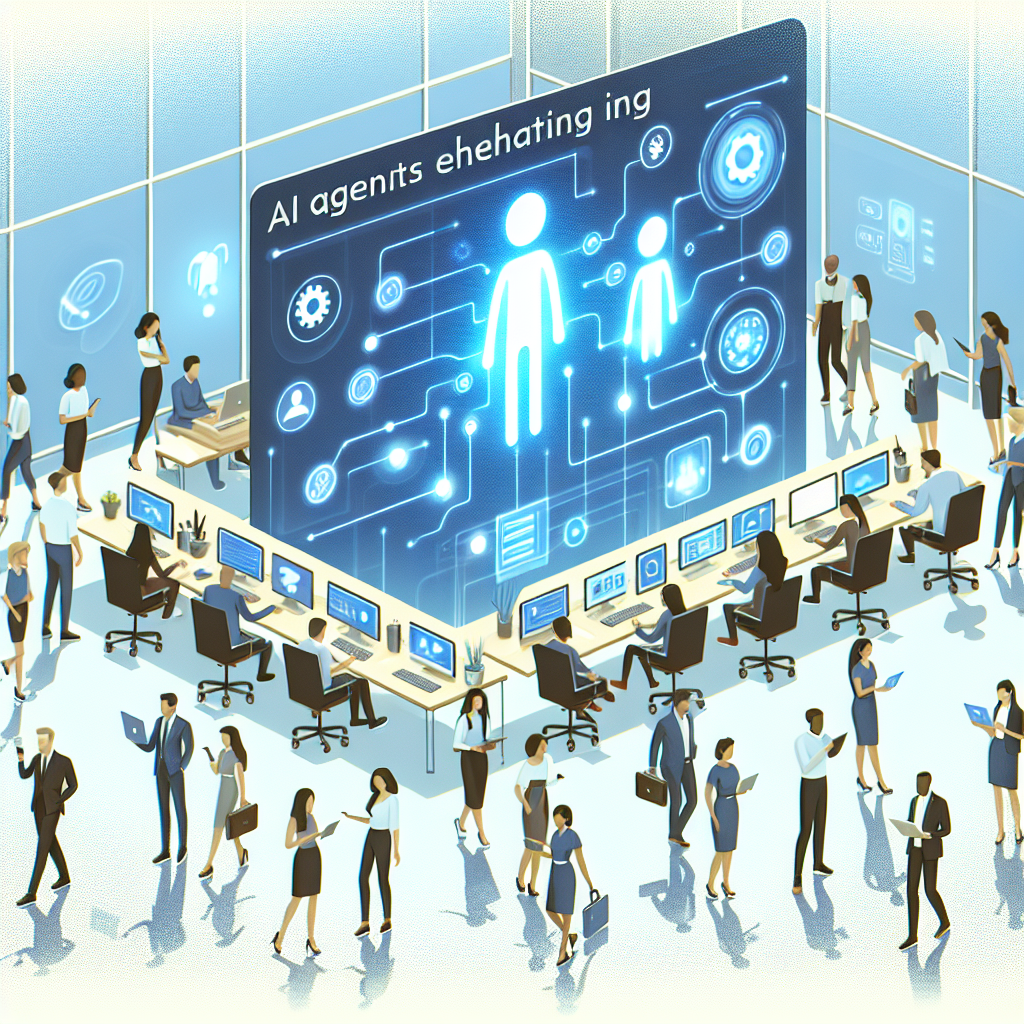

Can AI Agents Enhance Productivity in the Workplace?
The rapid advancement of artificial intelligence (AI) is reshaping various aspects of our lives, and its impact on workplace productivity is significant. As businesses increasingly incorporate AI agents into their operations, it raises the question: can these powerful tools really enhance efficiency in the workplace, particularly in white-collar tasks? Let’s delve into the research and examine how AI models affect productivity in professional settings.
The Role of AI in Modern Workplaces
AI is no longer just a buzzword; it has become an integral part of the business landscape. From virtual assistants to data analytics platforms, AI technologies are designed to streamline operations, improve decision-making, and enhance overall productivity. But how does this translate into real-world benefits for organizations?
1. Understanding AI Agents
AI agents are software systems that utilize machine learning, natural language processing, and other AI technologies to perform specific tasks. They’re capable of handling repetitive tasks, analyzing vast amounts of data, and even interacting with employees and customers. Some common types of AI agents include:
- Chatbots: Assist with customer inquiries and support.
- Data Analysis Tools: Analyze trends and provide insights.
- Virtual Assistants: Help manage schedules and automate routine tasks.
- Machine Learning Algorithms: Offer predictive analytics and recommendations.
2. AI Agents and White-Collar Tasks
Traditionally, white-collar tasks such as data entry, report generation, and scheduling have been time-consuming. Recent studies have shown that AI can significantly reduce the time and effort required for these tasks, leading to enhanced productivity.
Research Findings on AI’s Effectiveness
Various studies reveal noteworthy insights into how AI agents are boosting productivity in the workplace:
1. Time Savings
According to a report by McKinsey, organizations that integrate AI into their workflows have reported substantial time savings. Tasks that once took hours can often be completed in minutes. For instance, automating data entry through AI tools can reduce processing time by up to 80%.
2. Error Reduction
AI agents excel in accuracy and consistency. Research published in the Journal of Business Research indicates that using AI for data analysis leads to a notable reduction in errors compared to manual processes. Fewer errors mean less time spent on corrections and a smoother workflow overall.
3. Enhancing Creativity
AI isn’t just about numbers; it’s also about enhancing human creativity. A study by Deloitte found that employees using AI tools reported feeling more empowered and creative. By offloading routine tasks to AI, employees can focus on higher-value activities, such as strategic planning and innovative brainstorming.
Challenges of Implementing AI Agents
While the benefits of AI agents are compelling, organizations must also navigate potential challenges when incorporating these technologies into their workflows:
1. Resistance to Change
Employees may resist AI adoption due to fear of job displacement or a lack of understanding. Companies need to invest in training programs to educate their workforce on how AI can complement their roles rather than replace them.
2. Data Privacy Concerns
With the increasing reliance on AI comes the responsibility of safeguarding sensitive data. Organizations must ensure compliance with data protection regulations and implement robust security measures to instill trust among employees and customers.
3. Integration with Existing Systems
Integrating AI into existing workflows can be complex. Businesses need to ensure that their AI solutions are compatible with current systems to avoid disruptions and inefficiencies.
Success Stories Highlighting AI’s Impact
Multiple companies have successfully harnessed the power of AI agents to enhance workplace productivity. Here are a few inspiring examples:
1. Leading Retailer: Walmart
Walmart implemented AI in its inventory management system, utilizing machine learning algorithms to predict product demand accurately. This shift has led to a 10% reduction in excess inventory, saving the company millions while improving customer satisfaction through better stock availability.
2. Technology Giant: IBM
IBM’s Watson AI has been instrumental in transforming its HR processes. By automating resume screening, Watson saves HR professionals countless hours, allowing them to focus on strategic recruitment initiatives that drive company growth.
3. Financial Services Leader: American Express
American Express incorporates AI-driven chatbots to assist customers with inquiries 24/7. The utilization of AI in customer service has significantly reduced response times, resulting in a 25% increase in customer satisfaction rates.
Strategies for Implementing AI Efficiently
Organizations looking to leverage AI agents for workplace productivity should consider the following strategies:
- Start Small: Begin with pilot projects to test AI applications in specific areas before scaling them organization-wide.
- Involve Employees: Engage employees in the implementation process, encouraging feedback and addressing concerns to facilitate smoother adoption.
- Invest in Training: Provide comprehensive training programs to ensure that employees are comfortable integrating AI tools into their daily routines.
- Measure Progress: Continuously monitor the impact of AI initiatives on productivity metrics to assess effectiveness and make necessary adjustments.
The Future of AI in Workplace Productivity
As AI technology evolves, its applications in the workplace are poised to expand even further. Emerging trends suggest that advanced AI models will not only take over repetitive tasks but also assist in complex decision-making processes, leading to greater efficiency in a range of industries.
1. Greater Personalization
Future AI agents may offer personalized support tailored to individual employees’ working styles, optimizing workflows based on historical performance data and preferences.
2. Collaborative AI
The rise of collaborative AI systems—tools that work alongside employees—could revolutionize task delegation and project management, leading to more efficient teamwork and increased output.
Conclusion: Embracing the AI Revolution
The research is clear: AI agents have the potential to significantly enhance workplace productivity when implemented thoughtfully. While challenges remain, the benefits of AI in improving business efficiency, especially concerning white-collar tasks, outweigh the risks. Organizations willing to invest in AI technologies and collaborate with their workforce can unlock new levels of productivity, paving the way for a more efficient and innovative future.